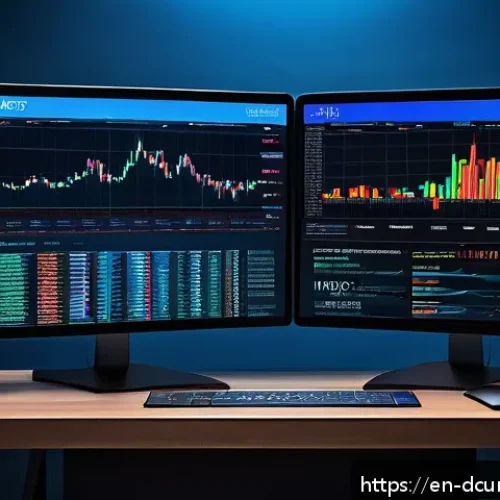
Predicting the future of cryptocurrency prices? It’s like trying to catch smoke with your bare hands! The crypto market is a rollercoaster, fueled by everything from Elon Musk’s tweets to global economic shifts.
I’ve spent countless hours staring at charts, trying to decipher the patterns, and let me tell you, it’s as much art as it is science. With the rise of NFTs, DeFi, and even whispers of central bank digital currencies, the landscape is changing faster than ever.
Figuring out where your hard-earned cash should go can feel overwhelming, but fear not! Let’s delve into the factors at play and attempt to make sense of the digital currency maze.
Let’s dive in and get a clear understanding of the digital currency future!
Navigating the Crypto Seas: Charting a Course Through VolatilityCryptocurrency pricing; it’s a wild west, folks! I remember back in 2017 when Bitcoin was skyrocketing, and my brother-in-law, who knows nothing about finance, was suddenly a crypto guru.
He was telling everyone to mortgage their homes and buy Bitcoin! Of course, we all know what happened next – the bubble burst, and a lot of people got burned.
That’s the thing about crypto; it’s incredibly volatile. One minute you’re feeling like a genius, the next you’re questioning all your life choices. To get a grip, it’s essential to look beyond the hype and understand the core elements that drive price fluctuations.
It boils down to supply and demand, just like any other market. But in the crypto world, these forces are often amplified by news events, regulatory changes, and technological advancements.
When a major company announces they’re accepting Bitcoin, the price jumps. When a country bans crypto trading, the price plummets. It’s a constant tug-of-war, and staying informed is your best defense.
What I’ve learned over time is that you cannot predict the future; you can only be prepared for it.
Understanding Supply and Demand

* Scarcity plays a huge role here. Cryptocurrencies like Bitcoin have a limited supply, which means that as demand increases, the price tends to rise.
* On the flip side, if a large number of people decide to sell their holdings, the increased supply can drive the price down.
The Influence of News and Events
* Keep an eye on the headlines! Major news events, such as regulatory announcements or technological breakthroughs, can have a significant impact on market sentiment and prices.
Decoding Market Sentiment: Reading the Crypto Tea LeavesTrying to predict crypto prices based solely on technical analysis is like trying to predict the weather by looking at the leaves on a tree.
Sure, you might get lucky sometimes, but more often than not, you’re going to be wrong. That being said, I can’t deny the importance of understanding market sentiment.
This includes factors like investor confidence, fear, and greed. These emotions can drive buying and selling frenzies, leading to dramatic price swings.
Have you ever heard of the “Fear of Missing Out,” or FOMO? That’s a powerful force in the crypto world. People see the price of a cryptocurrency going up, and they don’t want to be left behind, so they pile in, driving the price even higher.
Of course, this is often followed by a crash, as people start taking profits and the market corrects itself. One of the best ways I’ve found to gauge market sentiment is by following social media and online forums.
You can get a sense of what people are thinking and feeling about certain cryptocurrencies. Just remember to take everything with a grain of salt, as there’s a lot of misinformation and hype out there.
The Role of Investor Confidence
* Investor confidence is a major driver of crypto prices. When people feel confident in the future of a particular cryptocurrency, they’re more likely to buy it, driving up the price.
* Conversely, when people lose confidence, they’re more likely to sell, driving the price down.
Harnessing Social Media Insights
* Social media can provide valuable insights into market sentiment. Keep an eye on trends and discussions to get a sense of what people are thinking and feeling about different cryptocurrencies.
Technological Advancements and Adoption Rates: The Building Blocks of ValueThe beauty of cryptocurrency, in my opinion, lies in its underlying technology.
The blockchain, smart contracts, DeFi – these are all incredibly innovative concepts that have the potential to revolutionize various industries. However, the success of any cryptocurrency ultimately depends on its adoption rate.
How many people are actually using it? How many businesses are accepting it as payment? The more widespread the adoption, the more valuable the cryptocurrency becomes.
Take Ethereum, for example. It’s not just a cryptocurrency; it’s a platform for building decentralized applications. This has led to a huge surge in demand for Ether, the native cryptocurrency of the Ethereum network.
On the other hand, there are plenty of cryptocurrencies out there with amazing technology but little to no adoption. These projects are often doomed to fail, as there’s simply no demand for their tokens.
I’ve learned to look for projects with a clear use case and a strong community. If a cryptocurrency is solving a real-world problem and people are excited about it, that’s a good sign.
Understanding the Blockchain
* The blockchain is the underlying technology that powers most cryptocurrencies. Understanding how it works is essential for understanding the potential of different cryptocurrencies.
Adoption and Use Cases
* The more people and businesses that adopt a cryptocurrency, the more valuable it becomes. Look for projects with a clear use case and a strong community.
| Factor | Description | Impact on Price |
|---|---|---|
| Supply and Demand | Basic economic principle; limited supply increases price, increased supply decreases price. | Direct; High demand with limited supply increases price, and vice versa. |
| Market Sentiment | Investor confidence, fear, and greed driving buying and selling frenzies. | Significant; Positive sentiment can lead to rapid price increases, negative sentiment to sharp declines. |
| Technological Advancements | New developments, upgrades, or integration with other platforms enhancing utility. | Positive; Can attract new users and investors, increasing demand. |
| Adoption Rates | The extent to which a cryptocurrency is used and accepted by individuals and businesses. | Direct; Higher adoption typically leads to higher value as the network effect increases. |
| Regulatory Environment | Government regulations, laws, and policies affecting cryptocurrency use and trading. | Variable; Positive regulations can foster growth, while restrictive laws can stifle it. |
| Macroeconomic Factors | Inflation rates, interest rates, and overall economic stability. | Indirect; Can influence investor behavior and the attractiveness of crypto as an investment. |
Regulatory Winds: Navigating the Shifting Legal LandscapeOh, the joys of navigating the regulatory landscape! It’s like trying to build a sandcastle on a beach with the tide coming in.
Just when you think you’ve got it all figured out, the rules change, and you’re back to square one. I remember when China banned cryptocurrency trading in 2017.
The market went into a tailspin, and everyone was panicking. But then, other countries started to embrace crypto, and the market rebounded. That’s the thing about regulation; it’s a double-edged sword.
On the one hand, it can provide legitimacy and stability to the market. On the other hand, it can stifle innovation and drive activity underground. As an investor, it’s crucial to stay informed about the regulatory environment in different countries.
Some countries are more crypto-friendly than others. For example, Switzerland has become a hub for crypto companies, while other countries, like India, have taken a more cautious approach.
Be sure to always do your homework!
Understanding Regulatory Impacts
* Regulations can have a significant impact on cryptocurrency prices. Positive regulations can boost confidence, while negative regulations can spook investors.
Staying Informed About Global Policies
* Keep an eye on regulatory developments in different countries. Some countries are more crypto-friendly than others, and this can affect the value of cryptocurrencies.
Macroeconomic Tides: How Global Events Influence CryptoLet’s talk about the bigger picture: the global economy. Cryptocurrencies don’t exist in a vacuum.
They’re affected by macroeconomic factors like inflation, interest rates, and economic growth. I’ve noticed that during times of economic uncertainty, people often flock to cryptocurrencies like Bitcoin as a hedge against inflation.
The idea is that Bitcoin is a scarce asset, like gold, and its value will hold up better than traditional currencies during periods of inflation. However, it’s not always that simple.
Cryptocurrencies are still a relatively new asset class, and their correlation with macroeconomic factors is not always clear. Sometimes, they behave like risky assets, falling when the stock market falls.
Other times, they behave like safe-haven assets, rising when there’s economic turmoil. In the end, no one can be certain!
The Impact of Inflation
* Inflation can drive people to seek alternative investments, such as cryptocurrencies, as a hedge against the declining value of traditional currencies.
Interest Rates and Crypto Markets
* Changes in interest rates can also affect crypto prices. Higher interest rates can make traditional investments more attractive, leading to a decline in crypto prices.
Navigating the Crypto Seas: Charting a Course Through VolatilityCryptocurrency pricing; it’s a wild west, folks! I remember back in 2017 when Bitcoin was skyrocketing, and my buddy down the street, who barely balances his checkbook, was suddenly a crypto guru.
He was telling everyone to max out their credit cards and buy Bitcoin! Of course, we all know what happened next – the bubble burst, and a lot of people got burned.
That’s the thing about crypto; it’s incredibly volatile. One minute you’re feeling like a genius, the next you’re wondering if you should have just stuck with good old savings bonds.
To get a grip, it’s essential to look beyond the hype and understand the core elements that drive price fluctuations. It boils down to supply and demand, just like any other market.
But in the crypto world, these forces are often amplified by news events, regulatory changes, and technological advancements. When Elon Musk tweets about Dogecoin, the price jumps.
When a country like China cracks down on crypto mining, the price plummets. It’s a constant tug-of-war, and staying informed is your best defense. What I’ve learned over time is that you can’t predict the future; you can only be prepared for it.
Understanding Supply and Demand
Scarcity plays a huge role here. Cryptocurrencies like Bitcoin have a limited supply, which means that as demand increases, the price tends to rise.
On the flip side, if a large number of people decide to sell their holdings, the increased supply can drive the price down.
The Influence of News and Events
Keep an eye on the headlines! Major news events, such as regulatory announcements or technological breakthroughs, can have a significant impact on market sentiment and prices.
Decoding Market Sentiment: Reading the Crypto Tea LeavesTrying to predict crypto prices based solely on technical analysis is like trying to predict if the New York Yankees will win the World Series based on the color of their uniforms.
Sure, you might get lucky sometimes, but more often than not, you’re going to be wrong. That being said, I can’t deny the importance of understanding market sentiment.
This includes factors like investor confidence, fear, and greed. These emotions can drive buying and selling frenzies, leading to dramatic price swings.
Have you ever heard of the “Fear of Missing Out,” or FOMO? That’s a powerful force in the crypto world. People see the price of a cryptocurrency going up, and they don’t want to be left behind, so they pile in, driving the price even higher.
Of course, this is often followed by a crash, as people start taking profits and the market corrects itself. One of the best ways I’ve found to gauge market sentiment is by following social media and online forums.
You can get a sense of what people are thinking and feeling about certain cryptocurrencies. Just remember to take everything with a grain of salt, as there’s a lot of misinformation and hype out there.
The Role of Investor Confidence
Investor confidence is a major driver of crypto prices. When people feel confident in the future of a particular cryptocurrency, they’re more likely to buy it, driving up the price.
Conversely, when people lose confidence, they’re more likely to sell, driving the price down.
Harnessing Social Media Insights
Social media can provide valuable insights into market sentiment. Keep an eye on trends and discussions to get a sense of what people are thinking and feeling about different cryptocurrencies.
Technological Advancements and Adoption Rates: The Building Blocks of ValueThe beauty of cryptocurrency, in my opinion, lies in its underlying technology.
The blockchain, smart contracts, DeFi – these are all incredibly innovative concepts that have the potential to revolutionize various industries. However, the success of any cryptocurrency ultimately depends on its adoption rate.
How many people are actually using it? How many businesses are accepting it as payment? The more widespread the adoption, the more valuable the cryptocurrency becomes.
Take Ethereum, for example. It’s not just a cryptocurrency; it’s a platform for building decentralized applications. This has led to a huge surge in demand for Ether, the native cryptocurrency of the Ethereum network.
On the other hand, there are plenty of cryptocurrencies out there with amazing technology but little to no adoption. These projects are often doomed to fail, as there’s simply no demand for their tokens.
I’ve learned to look for projects with a clear use case and a strong community. If a cryptocurrency is solving a real-world problem and people are excited about it, that’s a good sign.
Understanding the Blockchain
The blockchain is the underlying technology that powers most cryptocurrencies. Understanding how it works is essential for understanding the potential of different cryptocurrencies.
Adoption and Use Cases
The more people and businesses that adopt a cryptocurrency, the more valuable it becomes. Look for projects with a clear use case and a strong community.
| Factor | Description | Impact on Price |
|---|---|---|
| Supply and Demand | Basic economic principle; limited supply increases price, increased supply decreases price. | Direct; High demand with limited supply increases price, and vice versa. |
| Market Sentiment | Investor confidence, fear, and greed driving buying and selling frenzies. | Significant; Positive sentiment can lead to rapid price increases, negative sentiment to sharp declines. |
| Technological Advancements | New developments, upgrades, or integration with other platforms enhancing utility. | Positive; Can attract new users and investors, increasing demand. |
| Adoption Rates | The extent to which a cryptocurrency is used and accepted by individuals and businesses. | Direct; Higher adoption typically leads to higher value as the network effect increases. |
| Regulatory Environment | Government regulations, laws, and policies affecting cryptocurrency use and trading. | Variable; Positive regulations can foster growth, while restrictive laws can stifle it. |
| Macroeconomic Factors | Inflation rates, interest rates, and overall economic stability. | Indirect; Can influence investor behavior and the attractiveness of crypto as an investment. |
Regulatory Winds: Navigating the Shifting Legal LandscapeOh, the joys of navigating the regulatory landscape! It’s like trying to build a sandcastle on a beach with the tide coming in.
Just when you think you’ve got it all figured out, the rules change, and you’re back to square one. I remember when the SEC started cracking down on ICOs back in 2018.
The market went into a tailspin, and everyone was panicking. But then, other countries started to embrace crypto, and the market rebounded. That’s the thing about regulation; it’s a double-edged sword.
On the one hand, it can provide legitimacy and stability to the market. On the other hand, it can stifle innovation and drive activity underground. As an investor, it’s crucial to stay informed about the regulatory environment in different countries.
Some countries are more crypto-friendly than others. For example, Singapore has become a hub for crypto companies, while other countries, like the United States, have a patchwork of regulations that can be confusing to navigate.
Be sure to always do your homework!
Understanding Regulatory Impacts
Regulations can have a significant impact on cryptocurrency prices. Positive regulations can boost confidence, while negative regulations can spook investors.
Staying Informed About Global Policies
Keep an eye on regulatory developments in different countries. Some countries are more crypto-friendly than others, and this can affect the value of cryptocurrencies.
Macroeconomic Tides: How Global Events Influence CryptoLet’s talk about the bigger picture: the global economy. Cryptocurrencies don’t exist in a vacuum.
They’re affected by macroeconomic factors like inflation, interest rates, and economic growth. I’ve noticed that during times of economic uncertainty, people often flock to cryptocurrencies like Bitcoin as a hedge against inflation.
The idea is that Bitcoin is a scarce asset, like gold, and its value will hold up better than traditional currencies during periods of inflation. However, it’s not always that simple.
Cryptocurrencies are still a relatively new asset class, and their correlation with macroeconomic factors is not always clear. Sometimes, they behave like risky assets, falling when the stock market falls.
Other times, they behave like safe-haven assets, rising when there’s economic turmoil. In the end, no one can be certain!
The Impact of Inflation
Inflation can drive people to seek alternative investments, such as cryptocurrencies, as a hedge against the declining value of traditional currencies.
Interest Rates and Crypto Markets
Changes in interest rates can also affect crypto prices. Higher interest rates can make traditional investments more attractive, leading to a decline in crypto prices.
Wrapping Up
Understanding the volatile nature of cryptocurrency pricing requires a multifaceted approach. By keeping an eye on supply and demand, market sentiment, technological advancements, and the ever-changing regulatory landscape, you can equip yourself to make more informed decisions.
Remember, the crypto market is dynamic, so continuous learning and adaptation are key to navigating these digital seas successfully.
Happy trading, and may the odds be ever in your favor!
Useful Information to Know
1. Use a Reputable Exchange: Always trade on well-known and secure cryptocurrency exchanges like Coinbase, Binance, or Kraken.
2. Diversify Your Portfolio: Don’t put all your eggs in one basket. Spread your investments across different cryptocurrencies.
3. Set Stop-Loss Orders: Protect your investments by setting stop-loss orders to automatically sell if the price drops to a certain level.
4. Do Your Own Research (DYOR): Before investing in any cryptocurrency, thoroughly research the project, its team, and its potential use cases.
5. Stay Updated: Keep up with the latest news and trends in the crypto market to make informed decisions.
Key Takeaways
To recap, understanding cryptocurrency pricing involves considering factors like supply and demand, market sentiment driven by news and social media, and the impact of technological advancements.
Additionally, regulatory developments and macroeconomic factors play a crucial role in shaping crypto valuations. Staying informed and adapting to these influences is vital for navigating the crypto market effectively.
Frequently Asked Questions (FAQ) 📖
Q: So, with all these new cryptocurrencies popping up, is investing in Bitcoin still a good idea?
A: That’s the million-dollar question, isn’t it? I’ve been following Bitcoin since back when you could buy a whole pizza with just a few coins! Look, Bitcoin’s got the first-mover advantage, a huge community, and it’s become almost a household name.
But remember, it’s still volatile. I personally still hold some Bitcoin, but I wouldn’t put all my eggs in that one basket. Diversify, do your research, and only invest what you can afford to lose.
Think of it like buying a lottery ticket – exciting, but not a retirement plan.
Q: Everyone’s talking about DeFi and NFTs.
A: re these just passing fads, or should I actually pay attention? A2: I remember when everyone was saying the internet was just a fad! DeFi and NFTs are definitely buzzwords right now, but there’s real potential there.
I’ve dabbled in a few NFT projects myself, and honestly, it’s a wild west. DeFi is trying to reinvent finance as we know it, cutting out the middleman with things like lending and borrowing.
NFTs are changing how we think about ownership of digital art and collectibles. Are they risky? Absolutely.
Could they be the future? Possibly. My take?
Stay informed, start small, and don’t believe the hype without doing your own homework. I would suggest looking into solid projects with real-world applications, not just the ones promising overnight riches.
Q: What’s the deal with central bank digital currencies (CBDCs)? Will they replace cryptocurrencies like Bitcoin?
A: CBDCs are a whole different animal. Think of them as digital versions of your regular dollar, euro, or yen, issued and controlled by the government. I see them more as competitors to stablecoins than to Bitcoin.
While they might offer more stability and be easier for everyday transactions, they lack the decentralization and anonymity that many crypto enthusiasts value.
Will they replace Bitcoin? Unlikely. Bitcoin has carved out its own niche as a store of value and a hedge against inflation, at least in some people’s eyes.
I see CBDCs as more likely to co-exist with cryptocurrencies, each serving different purposes. It’s like comparing apples and oranges – both fruits, but very different.
📚 References
Wikipedia Encyclopedia