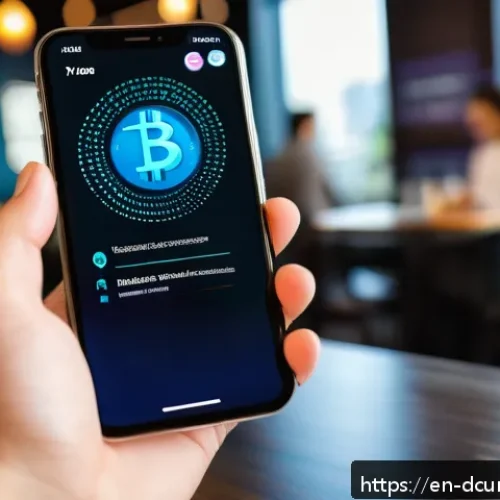
Your Money’s Future Is Here: Shocking Transformations In Digital Payment Systems

webmaster

디지털화폐의 결제 시스템 발전 - **Prompt:** A dynamic, wide-angle shot of a diverse group of people, aged 20s-50s, in a brightly lit...

The way we pay for things has completely transformed, hasn’t it? I remember a time when cash was king, and my wallet was always bulging with bills and coins.

Then came the era of credit cards, offering a sleek, plastic alternative. But honestly, even those feel a little old-school now, especially when I think about how quickly our digital lives are evolving.

It feels like just yesterday we were marveling at contactless payments, and now we’re knee-deep in a world where our phones, smartwatches, and even biometric scans are our primary payment tools.

It’s almost dizzying how fast things are moving, right? We’re not just talking about tapping your card anymore; we’re stepping into an exciting new frontier where digital currencies are reshaping everything.

From the lightning-fast, secure transactions of stablecoins to the ambitious rollout of Central Bank Digital Currencies (CBDCs) being explored by governments worldwide, the future of money is here, and it’s entirely digital.

I’ve been tracking this space for years, and what I’ve seen is nothing short of revolutionary – how we send money across borders, manage our daily finances, and even think about financial inclusion is being completely redefined.

This isn’t just about convenience; it’s about a fundamental shift in how we interact with our economy. So, are you ready to peek behind the curtain and understand this incredible transformation?

Let’s uncover the specifics right away.The way we pay for things has completely transformed, hasn’t it? I remember a time when cash was king, and my wallet was always bulging with bills and coins.

Then came the era of credit cards, offering a sleek, plastic alternative. But honestly, even those feel a little old-school now, especially when I think about how quickly our digital lives are evolving.

It feels like just yesterday we were marveling at contactless payments, and now we’re knee-deep in a world where our phones, smartwatches, and even biometric scans are our primary payment tools.

It’s almost dizzying how fast things are moving, right? We’re not just talking about tapping your card anymore; we’re stepping into an exciting new frontier where digital currencies are reshaping everything.

From the lightning-fast, secure transactions of stablecoins to the ambitious rollout of Central Bank Digital Currencies (CBDCs) being explored by governments worldwide, the future of money is here, and it’s entirely digital.

I’ve been tracking this space for years, and what I’ve seen is nothing short of revolutionary – how we send money across borders, manage our daily finances, and even think about financial inclusion is being completely redefined.

This isn’t just about convenience; it’s about a fundamental shift in how we interact with our economy. So, are you ready to peek behind the curtain and understand this incredible transformation?

Let’s uncover the specifics right away.

Beyond the Wallet: A New Era of Payments

디지털화폐의 결제 시스템 발전 - **Prompt:** A dynamic, wide-angle shot of a diverse group of people, aged 20s-50s, in a brightly lit...

It’s genuinely wild to think about how much my daily routine has shifted, all thanks to how we pay for things. I remember when I first started carrying a mobile wallet on my phone, mostly out of curiosity.

Now, it’s practically glued to my hand! The convenience is just unmatched. We’ve moved past merely swiping plastic to a world where a quick tap, a scan, or even just our face can complete a transaction.

This isn’t just about speed; it’s about an entire ecosystem evolving around us. From the moment I grab my morning coffee to paying for groceries, the digital payment revolution has become so seamlessly integrated into my life that I often forget what it was like before.

It feels like every app I use, every online store I visit, and even my local farmer’s market now offers a plethora of digital options. This pervasive adoption hasn’t happened overnight, but the pace has certainly accelerated, bringing with it an incredible sense of empowerment and control over my finances, right from my pocket.

What once seemed futuristic is now simply, effortlessly, our everyday reality. It’s truly amazing to witness this transformation firsthand and be a part of it.

The Contactless Revolution at Your Fingertips

Honestly, the sheer simplicity of contactless payments still makes me smile. I mean, remember fumbling for exact change or having your card reader decline because of a dodgy chip?

Those days feel like a distant memory now. With just a tap of my phone or smartwatch, I’m good to go. This isn’t just a minor upgrade; it’s a fundamental shift in how quickly and securely we can transact.

I’ve noticed how it’s sped up queues, made shopping less of a chore, and even given me a clearer picture of my spending through integrated budgeting apps.

It’s not just about convenience for consumers; businesses, from small boutiques to massive retailers, have seen the benefits too, streamlining their operations and enhancing customer experience.

The ripple effect is profound, influencing everything from urban planning to how we design public transport systems. It’s a silent revolution that’s changed our expectations of speed and efficiency in financial interactions, making every single payment experience just a little bit smoother and a lot more enjoyable.

Your Phone as Your Financial Hub

My phone isn’t just for calls or social media anymore; it’s become my primary financial hub, and I’m sure many of you feel the same way. From paying bills and transferring money to splitting dinner tabs with friends, virtually every financial task I need to accomplish can be done with a few taps.

I’ve personally seen how this has transformed my budgeting habits, making it so much easier to track my expenditures in real-time. Gone are the days of manually logging every receipt; now, my payment apps do it for me!

This integration of banking, budgeting, and payment into one device is incredibly powerful. It offers a level of insight and control that was unimaginable even a decade ago.

The sheer range of financial services now available on a smartphone is staggering, moving far beyond basic transactions to include investment tools, loan applications, and even advanced financial planning.

It’s like having a personal financial advisor in your pocket, constantly updating you and giving you the tools to manage your money effectively and efficiently, anytime, anywhere.

Stablecoins: The Digital Bridge We Didn’t Know We Needed

When I first delved into the world of digital currencies, the volatility of traditional cryptocurrencies like Bitcoin was often a big hurdle for everyday transactions.

It was fascinating for speculation, but not exactly ideal for buying a cup of coffee if its value could plummet moments later. That’s where stablecoins truly shine, and frankly, they’ve been a game-changer for me and so many others who want to leverage the benefits of digital assets without the rollercoaster ride.

Imagine a digital currency that maintains a stable value, typically pegged to a fiat currency like the US dollar. This stability is precisely what makes them so incredibly useful.

They act as a crucial bridge, allowing us to move swiftly between traditional finance and the broader, innovative crypto ecosystem. I’ve used them for everything from international remittances, which used to be a headache, to simply parking funds digitally without worrying about drastic price swings.

They bring the best of both worlds: the speed and low cost of blockchain transactions, combined with the reassuring predictability of a traditional currency.

This makes them far more appealing for day-to-day commerce and long-term financial planning in the digital space.

Pegged for Predictable Stability

The core idea behind stablecoins, the “peg,” is truly ingenious. Knowing that a digital token like USDC or USDT is designed to hold its value closely to, say, one US dollar, provides immense peace of mind.

This mechanism, often backed by reserves of actual fiat currency or other assets, instills a level of confidence that was missing in the earlier days of purely speculative cryptocurrencies.

For someone like me, who values both innovation and reliability, this is a huge advantage. It means I can send money across borders, knowing the recipient will receive the exact amount I sent, without concerns about market fluctuations.

It takes away the anxiety of currency conversion rates and unpredictable dips, making digital transactions far more practical and dependable. This stability transforms digital currencies from a niche investment into a viable tool for everyday economic activity, fostering trust and encouraging broader adoption among individuals and businesses alike.

Real-World Use Cases Beyond Trading

While many people still associate digital currencies purely with trading and investment, stablecoins are proving their worth in myriad real-world applications that go far beyond just speculation.

I’ve personally seen them revolutionize international payments. Sending money to family abroad used to involve hefty fees and agonizing delays, often taking days.

Now, with stablecoins, those transfers can be completed in minutes, for a fraction of the cost. It’s incredible how much easier it’s made things for countless individuals and small businesses navigating global commerce.

Beyond remittances, stablecoins are being adopted for payroll, supply chain finance, and even as a simpler way for people in developing economies to save and transact without access to traditional banking infrastructure.

They are truly democratizing access to modern financial services, creating an inclusive digital economy where geographical boundaries and traditional banking limitations become less relevant.

It’s a powerful tool for economic empowerment, enabling transactions and financial participation on a global scale.

Advertisement

CBDCs: When Governments Enter the Digital Realm

It’s fascinating to watch governments around the world, including some of the biggest economies, seriously explore Central Bank Digital Currencies (CBDCs).

For a long time, the digital currency space felt like the wild west, driven by innovators and independent developers. But now, seeing central banks throw their hats into the ring changes the entire dynamic.

It signifies a profound shift in how nations are thinking about money itself. The idea of a digital currency issued and backed by a central bank, much like physical cash but in an electronic format, is a monumental step.

This isn’t just about modernizing payment systems; it’s about potentially redefining monetary policy, financial stability, and even national sovereignty in the digital age.

I’ve been following these developments closely, and the discussions are complex, touching upon everything from privacy concerns to economic control. It’s a bold move, and one that could significantly alter the global financial landscape as we know it, bringing both immense opportunities and considerable challenges.

National Digital Currencies on the Horizon

The concept of a national digital currency being issued by a central bank is, frankly, mind-boggling when you stop to think about it. Imagine a digital dollar, euro, or yen that is essentially a liability of the central bank, just like the physical cash in your wallet, but designed purely for the digital world.

Many countries are moving past mere research and actually piloting these systems. The Bahamas, for instance, already has its Sand Dollar, and nations like China are well into advanced trials with the digital yuan.

What excites me about this is the potential for incredible efficiency gains in payment systems, drastically reducing transaction costs and speeding up settlements.

But there’s also an underlying question of control and surveillance that comes with a centralized digital currency, which is why the debate around their implementation is so vigorous.

It’s a delicate balance between fostering innovation and maintaining privacy, a conversation that is shaping the future of money as we speak.

Potential Benefits and Legitimate Concerns

From my perspective, CBDCs offer some truly compelling advantages. Think about it: immediate settlement of transactions, potentially lower costs for consumers and businesses, and a new tool for central banks to implement monetary policy more effectively.

For example, direct stimulus payments could reach citizens instantly during an economic crisis. On the other hand, the concerns are equally significant and definitely worth discussing.

The specter of government surveillance over individual spending habits is a genuine worry for many, myself included. There are also questions around financial privacy, cybersecurity risks, and the potential impact on commercial banks.

It’s a tightrope walk for policymakers – how to harness the technological benefits without eroding fundamental rights or destabilizing the existing financial system.

The conversations I’ve seen among experts are passionate and varied, highlighting the profound implications these digital currencies could have on our daily lives and our economic freedom.

The Global Impact: Reshaping Cross-Border Transactions

If there’s one area where digital currencies, especially stablecoins and the potential of CBDCs, promise a truly revolutionary change, it’s in cross-border transactions.

I can’t tell you how many times I’ve been frustrated by the archaic, slow, and expensive process of sending money internationally. Traditional banking systems, relying on a complex web of correspondent banks, SWIFT messages, and various intermediaries, often take days and levy significant fees.

It’s an outdated system that costs individuals and businesses billions annually. When I first experienced sending money digitally across borders with near-instantaneous settlement and minimal fees, it felt like magic.

This isn’t just about personal convenience; it’s about fundamentally altering global trade, remittances, and aid distribution. Imagine a world where a small business owner in one country can receive payment from a customer on another continent almost instantly, without losing a substantial percentage to fees.

That’s the kind of transformative power we’re talking about here. It’s truly a leap forward, democratizing global finance in a way that simply wasn’t possible before.

Cutting Through the Red Tape of International Payments

The current system for international payments is riddled with inefficiencies, high fees, and frustrating delays – a labyrinth of red tape, as I like to call it.

I’ve personally felt the sting of these issues when sending money to family overseas or when trying to pay for freelance services from international clients.

Digital currencies, particularly stablecoins, are like a financial machete, slicing through this complexity. By leveraging blockchain technology, these transactions can bypass many of the traditional intermediaries, leading to significantly faster settlement times, often mere minutes or seconds, and dramatically reduced costs.

This means more money reaching its intended destination, quicker, and with far less hassle for everyone involved. It’s a profound improvement for individuals relying on remittances and a massive boost for businesses engaged in international trade, allowing them to operate more efficiently and competitively on a global scale.

This shift is not just an incremental improvement; it’s a paradigm change in how we conceive of and execute global financial transfers.

Empowering Economies and Individuals Globally

Beyond just speed and cost, the implications of streamlined cross-border payments for global economic empowerment are immense. For developing nations, where remittance flows constitute a significant portion of their GDP, these digital solutions can translate into millions, if not billions, of dollars saved in fees that can now be put directly into local economies.

It’s a powerful tool for financial inclusion, enabling individuals in regions with limited access to traditional banking to participate more fully in the global economy.

I’ve heard incredible stories of how entrepreneurs in remote areas are now able to sell their goods internationally and receive payments instantly, fostering economic growth and creating new opportunities.

This isn’t just about financial transactions; it’s about fostering greater connectivity, reducing economic friction, and creating a more equitable global financial system where everyone, regardless of their location, can participate and thrive.

It’s an exciting prospect that truly levels the playing field for countless individuals and communities worldwide.

Advertisement

Security and Privacy in a Digital Cash World

디지털화폐의 결제 시스템 발전 - **Prompt:** An artistic, split-screen or dual-panel image showcasing the global impact of stablecoin...

It’s impossible to talk about the future of digital money without addressing the elephant in the room: security and privacy. As more of our financial lives move online and onto blockchain networks, the questions of how our data is protected and who has access to our transaction history become paramount.

I’ve personally spent a lot of time researching and thinking about this, and it’s a delicate balance. On one hand, the cryptographic nature of blockchain offers incredibly robust security features, making transactions immutable and difficult to tamper with.

On the other hand, the transparency inherent in many public blockchains means that, depending on the design, transaction histories can be publicly viewable, albeit often pseudonymous.

With CBDCs, the central bank would have significant oversight, which raises different privacy concerns compared to decentralized stablecoins. Navigating this landscape requires both technological innovation and careful regulatory frameworks to ensure that convenience doesn’t come at the expense of our fundamental right to financial privacy and security.

It’s a conversation that absolutely needs to happen and evolve as fast as the technology itself.

Protecting Your Digital Financial Footprint

In this increasingly digital financial world, safeguarding our digital footprint is more critical than ever. The good news is that many digital payment systems, especially those built on blockchain, employ state-of-the-art encryption that makes them incredibly secure against fraud and unauthorized access.

I’ve always been impressed by the inherent security features that ensure each transaction is verified and immutable. However, like any digital tool, user vigilance is key.

It’s about practicing good digital hygiene – strong, unique passwords, two-factor authentication, and being wary of phishing attempts. The responsibility is shared between the platform providers and us, the users.

I’ve personally made it a point to educate myself on the best security practices, and I encourage everyone to do the same. Because while the technology is robust, a single lapse in judgment can still expose you.

Staying informed and proactive is our best defense in protecting our financial assets in this new digital frontier.

The Balancing Act Between Transparency and Anonymity

This is where things get really interesting, and frankly, a bit complicated. With traditional cash, you have a high degree of anonymity. Once it’s digital, that changes.

Some argue that full transparency, where every transaction could theoretically be traced, is beneficial for combating illicit activities like money laundering and terrorism financing.

I can see the appeal of that for law enforcement. However, many, including myself, believe that a certain level of financial privacy is a fundamental right.

It’s a challenging balancing act: how do we design digital currencies that offer the benefits of transparency for legitimate oversight without compromising individual privacy?

Solutions like zero-knowledge proofs and other cryptographic techniques are being explored to allow for verification of transactions without revealing sensitive details.

The debate is vigorous, and the outcomes of these discussions will significantly shape what our digital financial future looks like, determining whether it empowers us with discretion or exposes every detail of our spending habits.

Unlocking Financial Inclusion for Everyone

One of the most profound and often understated benefits of the digital currency revolution, in my humble opinion, is its potential to unlock true financial inclusion for millions, if not billions, of people around the globe.

I’ve always felt that access to basic financial services shouldn’t be a privilege, but a right. Yet, far too many individuals, particularly in underserved communities and developing nations, remain “unbanked” or “underbanked,” locked out of the traditional financial system due to lack of documentation, geographical barriers, or simply the cost of maintaining an account.

Digital currencies offer a compelling solution. With just a smartphone and an internet connection, which are increasingly ubiquitous, individuals can access payment systems, save money, and participate in the digital economy in ways that were previously impossible.

This isn’t just theoretical; I’ve seen reports and heard stories from regions where digital wallets and stablecoins are literally changing lives, providing a pathway to economic empowerment that was once unimaginable.

It’s a powerful testament to the transformative potential of technology when applied with a human-centric vision.

Bridging the Gap for the Unbanked

The numbers are staggering: hundreds of millions of adults worldwide still lack access to a basic bank account. This exclusion isn’t just an inconvenience; it’s a barrier to economic participation, making it harder to save, borrow, or even receive wages securely.

Digital currencies and mobile payment solutions are stepping in to bridge this critical gap. Imagine a farmer in a remote village who can now receive payments directly to their phone, without needing to travel for hours to a bank branch.

Or a migrant worker who can send remittances to their family back home instantly and affordably. These aren’t just hypotheticals; these are real-world applications of digital currency proving their worth.

I’ve personally tracked how various projects are leveraging these technologies to empower marginalized communities, providing them with a secure and accessible means to manage their finances, often for the very first time.

It’s a huge step towards leveling the global economic playing field and ensuring that financial services are truly accessible to all.

New Pathways to Economic Prosperity

With financial inclusion comes a cascade of opportunities for economic prosperity. When individuals have access to reliable payment systems and digital savings, they can better manage their money, invest in small businesses, and weather economic shocks.

This isn’t just about individual betterment; it fuels local economies, fosters entrepreneurship, and contributes to broader economic development. I’ve observed how the ability to send and receive digital payments has enabled micro-entrepreneurs to expand their reach, connect with new markets, and operate more efficiently.

It creates a virtuous cycle: access to finance leads to more economic activity, which in turn generates more wealth and opportunities. The transformative potential for communities that have historically been excluded from formal financial systems is truly immense, offering them tangible pathways to improved livelihoods and sustainable growth.

It’s a truly exciting development that underscores the positive social impact of this digital financial revolution.

Advertisement

The Road Ahead: Navigating the Digital Money Landscape

As we look forward, it’s clear that the digital money landscape isn’t just changing; it’s undergoing a complete metamorphosis. We’re past the initial hype and now deeply entrenched in the practical implementation and regulatory considerations of digital currencies.

What I’ve learned from closely observing this space is that it’s a constant dance between innovation and regulation, a push and pull that ultimately shapes how these technologies integrate into our lives.

There are still many questions to answer: how will global interoperability work? What new risks might emerge? And critically, how do we ensure these advancements benefit everyone, not just a select few?

This isn’t a static field; it’s dynamic, evolving with every technological breakthrough and every policy decision. My feeling is that we’re only at the beginning of understanding the full scope of this transformation, and staying informed, engaged, and adaptable will be key to navigating this exciting, sometimes complex, future.

The journey promises to be fascinating, and I’m genuinely thrilled to be a part of it.

Regulation and Innovation: A Continuous Dialogue

The conversation around regulating digital currencies is perhaps one of the most critical aspects shaping their future. Governments and financial authorities worldwide are grappling with how to oversee these new forms of money without stifling the very innovation that makes them so powerful.

It’s a continuous dialogue, often a heated one, between policymakers striving for stability and consumer protection, and developers pushing the boundaries of what’s possible.

I’ve noticed that while some regulations might initially seem restrictive, well-thought-out frameworks can actually foster greater trust and accelerate mainstream adoption.

It’s not about choosing between regulation and innovation, but about finding a harmonious synergy where both can thrive. The outcomes of these ongoing discussions will largely determine the trajectory of digital currencies, influencing everything from their widespread acceptance to their global impact.

It’s a complex puzzle, but one that is absolutely essential to solve for a robust and secure digital financial future.

What’s Next for Your Digital Wallet?

So, what does all of this mean for your digital wallet, and mine, in the coming years? I envision a future where our digital wallets become even more integrated, intelligent, and personalized.

We’ll likely see a seamless blending of fiat currency, stablecoins, and perhaps even national CBDCs, all managed through intuitive interfaces. Imagine your wallet automatically choosing the most cost-effective or fastest payment rail for a given transaction, whether it’s a traditional card network, a stablecoin transfer, or a CBDC payment.

We might also see more advanced features like embedded financial services, decentralized identity solutions, and even greater automation of personal finance.

The innovation cycle is relentless, and based on what I’ve experienced so far, the advancements will continue to surprise and delight us. My best advice?

Stay curious, keep learning, and embrace the evolving capabilities that are making our financial lives smarter, faster, and more connected than ever before.

It’s an exhilarating time to be alive and financially aware!

Feature Traditional Digital Payments (e.g., Credit/Debit Cards, Mobile Wallets) Stablecoins (e.g., USDC, USDT) Central Bank Digital Currencies (CBDCs)
Issuer/Backing Commercial Banks, Payment Networks (Visa, Mastercard) Private Companies, backed by reserves (fiat, assets) Central Bank of a sovereign nation
Transaction Speed Near-instant authorization, 1-3 days for final settlement Near-instant (seconds to minutes) for settlement Expected near-instant for authorization and settlement
Transaction Cost Merchant fees (1.5-3.5%), sometimes consumer fees Often low or near-zero, especially for P2P and international Potentially very low or free (depending on design)
Centralization Level Highly centralized (banks, payment networks) Centralized issuer, decentralized network (blockchain) Highly centralized (central bank)
Privacy/Anonymity Varies (merchants see data, banks track transactions) Pseudonymous on public blockchains; some issuers may collect KYC Variable, depending on design (can be highly traceable)
Use Case Focus Everyday retail, online shopping, bill payments Cross-border payments, DeFi, digital asset trading, remittances Domestic payments, monetary policy, financial inclusion, resilience

Wrapping Things Up

Wow, what a journey we’ve taken through the ever-evolving world of digital money! It truly feels like we’re standing at the cusp of a financial revolution, doesn’t it? From the sheer convenience of a simple tap-and-pay to the groundbreaking potential of stablecoins smoothing out global transactions, and even governments exploring their own digital currencies, the landscape is shifting faster than ever. What I’ve seen firsthand, and what I hope you’ve taken away from our chat today, is that these aren’t just abstract concepts; they are technologies actively reshaping how we interact with our money, offering unparalleled opportunities for efficiency, inclusion, and innovation. It’s an exciting, dynamic space that promises to keep us on our toes, and I, for one, am thrilled to see what unfolds next!

Advertisement

Handy Tips for Navigating the Digital Money Landscape

1. Always Prioritize Security: In this digital age, vigilance is your best friend. Make sure you’re using strong, unique passwords for all your financial apps and accounts, and absolutely enable two-factor authentication wherever possible. Be incredibly cautious of phishing scams or suspicious links, and remember that no legitimate financial institution will ever ask for your full password or private keys via email or text. Your digital financial footprint is precious, so treat it with the utmost care, just as you would your physical wallet. Staying informed about the latest security practices isn’t just a suggestion; it’s a necessity.

2. Start Small and Experiment: If you’re new to stablecoins or exploring digital payments beyond your usual debit card, don’t feel pressured to dive in headfirst. I always recommend starting with small, manageable transactions to get a feel for how things work. Try using a mobile wallet for your morning coffee or sending a small amount of stablecoin to a friend. This low-stakes experimentation allows you to understand the process, build confidence, and identify any quirks without risking a large sum of money. Learning by doing is incredibly effective in this space, and a gradual approach can save you a lot of potential headaches.

3. Research Before You Invest (or Transact): The digital currency space is vast and ever-changing, with new projects and platforms emerging constantly. Before committing any significant funds, whether to a new stablecoin, a decentralized finance (DeFi) platform, or a specific payment provider, do your homework. Look into the issuer’s reputation, the regulatory compliance of the platform, and the underlying technology. Understanding what you’re getting into is crucial. There’s a ton of information out there, so take your time, compare options, and only proceed when you feel confident and informed. It’s like checking the reviews before trying a new restaurant – essential for a good experience!

4. Understand the “Why” Behind CBDCs: While stablecoins and mobile wallets are driven by private innovation and consumer demand, Central Bank Digital Currencies (CBDCs) are a different beast entirely, driven by governmental and central bank objectives. It’s really useful to understand why different countries are exploring them. Is it for financial inclusion, enhancing payment system efficiency, or perhaps a new tool for monetary policy? Knowing the motivations can help you grasp the potential benefits and the inherent trade-offs, particularly regarding privacy and centralized control. This isn’t just tech; it’s macroeconomic policy, and knowing the context helps you form your own informed opinion.

5. Keep Learning and Adapting: The digital money world is not static; it’s a living, breathing ecosystem that evolves daily. What’s cutting-edge today might be commonplace tomorrow, and entirely new innovations are always on the horizon. My advice? Cultivate a curious mindset and commit to continuous learning. Follow reputable financial news, tech blogs, and trusted influencers (like me, hopefully!). Engaging with new information and adapting your understanding will ensure you stay ahead of the curve, make the most of emerging opportunities, and navigate any challenges with confidence. This isn’t just about money; it’s about staying smart in a rapidly changing world.

Key Takeaways

The journey into digital money reveals a truly transformative landscape, where innovation is rapidly reshaping our financial interactions. Mobile wallets have revolutionized everyday transactions, offering unparalleled convenience and a direct window into personal finances, making traditional payment methods feel almost antiquated. Stablecoins, with their promise of predictable value, are acting as a critical bridge between conventional finance and the dynamic crypto world, streamlining cross-border payments and unlocking new possibilities for global commerce and remittances. Moreover, the emergence of Central Bank Digital Currencies (CBDCs) signals a monumental shift as governments explore national digital currencies, aiming to enhance payment efficiency, foster financial inclusion, and potentially redefine monetary policy. Throughout all these advancements, the twin pillars of security and privacy remain paramount, necessitating robust technological solutions and thoughtful regulatory frameworks to protect our digital financial footprints. Ultimately, this digital revolution is set to unlock financial inclusion for millions globally, offering new pathways to economic prosperity and creating a more connected and equitable financial future for everyone. It’s an exciting time to be involved, and staying informed is key to making the most of these incredible changes.

Frequently Asked Questions (FAQ) 📖

Q: What exactly are stablecoins and Central Bank Digital Currencies (CBDCs), and how are they different from the cryptocurrencies we already know?

A: This is such a fantastic question, and one I get all the time! You know, when we first hear “digital currency,” our minds often jump straight to Bitcoin or Ethereum, with their wild price swings.
But stablecoins and CBDCs are really a different breed, designed with stability in mind. Think of a stablecoin as a digital asset that tries its best to keep a steady value, usually by being pegged to a real-world asset, like the U.S.
dollar, or sometimes even gold. Private companies or decentralized organizations issue them, and the idea is that for every stablecoin in circulation, there’s an equivalent amount of that reserve asset held somewhere.
So, if you have a USD-pegged stablecoin, the issuer theoretically holds one dollar in a bank account for every stablecoin you own, making it far less volatile than your typical crypto.
I’ve personally used stablecoins for quick, low-cost international transfers, and it’s amazing how much friction they remove compared to traditional banking.
Now, Central Bank Digital Currencies (CBDCs) are a whole different beast. Imagine your country’s physical cash, but in a purely digital format, issued and backed directly by the central bank – that’s a CBDC.
Unlike stablecoins, which come from private entities, CBDCs are official legal tender, essentially a digital extension of your national currency. They’re all about maintaining the stability and trust of government-backed money in a digital age, and they’re not trying to be a speculative investment like some cryptocurrencies.
Many countries, like China and various European nations, are actively exploring or piloting their own CBDCs right now. The key differences? Stablecoins are private, often backed by reserves, and exist within the broader crypto ecosystem.
CBDCs are public, issued by central banks, and are a direct liability of the central bank, just like the cash in your pocket.

Q: How will this big shift to digital currencies actually change the way I handle my everyday finances?

A: Oh, the daily impact! This is where it gets really exciting, and, frankly, a bit mind-bending when you think about how fast things are evolving. For me, personally, I’ve already seen digital currencies streamline so much.
Imagine sending money across borders in seconds, not days, and at a fraction of the cost of traditional wire transfers. That’s a game-changer, especially for anyone with family abroad or doing business internationally.
You can expect payments to become even more seamless and instant. We’re already used to tapping our phones, but with CBDCs and widely adopted stablecoins, we’re looking at a future where transactions are real-time, 24/7, and potentially much more efficient.
This could mean faster access to your earnings, quicker bill payments, and even governments distributing aid or stimulus payments directly and instantly.
Beyond convenience, there’s a huge potential for financial inclusion. If all you need is a mobile device to access a digital currency, it opens up banking services to millions who might not have traditional bank accounts.
I’ve read about countries where stablecoins are already becoming a primary medium of exchange in places with unstable local currencies, offering a stable lifeline to people.
Plus, the underlying technology, like blockchain for some digital currencies, can offer enhanced transparency, which might help reduce fraud and build more trust in transactions.
It’s really about making money work smarter and harder for everyone, not just those with traditional access.

Q: Are these new digital currencies, like stablecoins and CBDCs, really safe and secure for my money?

A: That’s a completely natural question, isn’t it? When we talk about our money, safety and security are always top of mind. And from what I’ve observed and learned over the years, the answer is a nuanced “yes, but it depends on the type and design.”Let’s start with CBDCs.
Because they are issued and backed by a country’s central bank, they are generally considered to offer government-level security and reliability. They’re a direct liability of the central bank, just like physical cash, which enhances confidence in their value and stability.
This official backing helps reinforce trust in the national monetary system and provides a secure digital alternative to cash. Many central banks are designing them to be resilient and stable, aiming to prevent the kind of volatility we sometimes see with other cryptocurrencies.
With stablecoins, the safety picture can vary a bit more. Their stability largely depends on the credibility of the issuer and the transparency of their reserves.
You want to look for stablecoins that are truly backed 1:1 by high-quality assets (like fiat currency or even gold) and have regular, transparent audits of those reserves.
I’ve personally learned to do my homework on a stablecoin’s issuer and their regulatory compliance before I trust my funds with them. Reputable stablecoins aim to combine the utility of crypto with the relative stability of traditional currencies, making them quite useful for transactions without the typical crypto roller coaster.
Both types leverage advanced cryptography, which adds a layer of security to transactions, but like any digital system, being aware of phishing scams and personal cybersecurity practices is always essential.
It’s a dynamic space, and regulations are constantly evolving to make these digital forms of money even more robust and trustworthy.

Advertisement