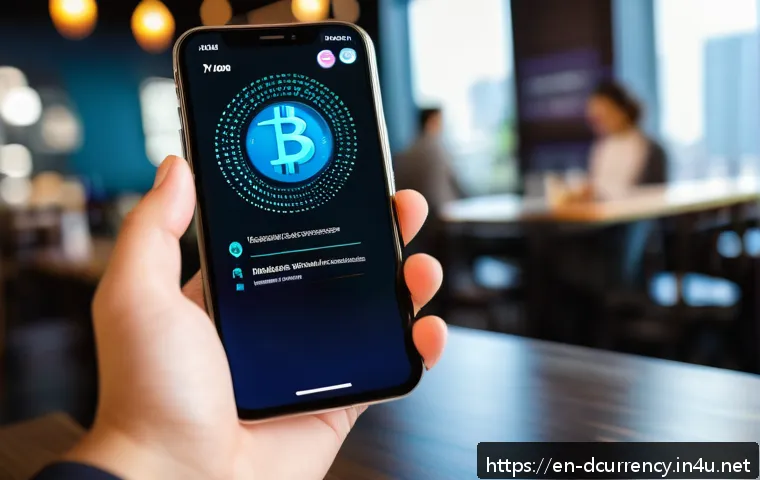
In a world where digital transactions are becoming the norm, understanding digital currency is no longer optional—it’s essential. With cryptocurrencies and central bank digital currencies making headlines daily, the future of money is rapidly evolving right before our eyes.

Whether you’re a tech enthusiast, an investor, or just curious about how money might change, this guide will break down complex concepts into digestible insights.
Let’s dive into the fascinating realm of digital currency and explore how it’s reshaping the way we think about value, security, and financial freedom.
Ready to unlock the future of money? You’re in the right place.
The New Age of Money: Beyond Physical Cash
From Coins to Code: The Evolution of Currency
Money as we know it has undergone a massive transformation. I remember the days when wallets bulged with cash and credit cards, but now, digital wallets on smartphones feel like the real deal.
This shift isn’t just about convenience—it’s a fundamental change in how value moves around. Digital currency is essentially money represented by data, stored and transferred electronically.
This means no more fumbling for exact change or worrying about counterfeit bills. Instead, transactions happen instantly and can cross borders without the usual delays or fees.
It’s wild to think that what once required physical exchange now happens through invisible streams of code verified by complex algorithms.
Why Digital Money Feels Different
The feel of digital currency is intangible, which can be unsettling at first. Unlike cash, you can’t physically hold a Bitcoin or a digital dollar, but the security protocols behind these digital assets offer a new kind of trust.
Blockchain technology, for instance, uses decentralization and cryptography to secure transactions, making fraud and double-spending incredibly difficult.
What I’ve noticed in conversations with friends and colleagues is that trust in digital money often hinges on understanding these technologies. Once you grasp how transactions are validated and recorded transparently, the skepticism starts to fade.
It’s like moving from trusting a single bank to trusting an entire network of participants.
How Digital Currency Shapes Everyday Life
Digital currencies aren’t just for tech geeks or investors anymore—they’re entering daily life in surprising ways. Think about paying for your morning coffee with a tap on your phone or sending money internationally in seconds without hefty fees.
The growing acceptance of digital currencies by retailers and service providers is accelerating this trend. Personally, I’ve started using digital payment apps more frequently, appreciating how they blend speed with convenience.
Beyond payments, digital currencies can empower people without traditional bank access, opening financial doors globally. This new financial ecosystem is rewriting how we interact with money, making it more inclusive and efficient.
Decoding the Technology Powering Digital Wealth
Understanding Blockchain and Its Role
At the heart of most digital currencies lies blockchain technology—a decentralized ledger that records every transaction in a secure, transparent way.
Imagine a chain of blocks, each containing transaction data linked to the previous one, making tampering nearly impossible. I found that once you visualize blockchain as a digital ledger shared across thousands of computers worldwide, it becomes easier to understand why it’s so secure and trustworthy.
This technology eliminates the need for a middleman, such as a bank, reducing costs and speeding up transactions. For businesses, blockchain also offers auditability, which is a game-changer for transparency and compliance.
The Magic of Cryptography in Digital Transactions
Cryptography is the secret sauce that keeps digital currencies safe. It’s the science of encoding information so only authorized parties can access it.
When I first dug into how wallets and private keys work, it was fascinating to see how your digital money is protected by complex mathematical puzzles that only you can solve.
This means your assets are safeguarded against hackers if you keep your keys secure. However, it also means losing your private key can be devastating since there’s no central authority to recover your funds.
This balance between security and responsibility is a unique aspect of digital currency that users must embrace.
Smart Contracts: Automating Trust
One of the coolest advancements tied to digital currencies is smart contracts. These are self-executing contracts with the terms directly written into code.
From my experience reading about them, smart contracts reduce the need for intermediaries by automating processes like payments, legal agreements, or supply chain tracking.
For example, a smart contract could automatically release funds when a product is delivered, ensuring fairness and efficiency. This automation has huge potential to disrupt traditional industries by cutting costs and speeding up operations while minimizing human error and fraud risks.
How Digital Money Influences Global Economies
Central Bank Digital Currencies (CBDCs): The New Frontier
Governments worldwide are exploring or launching their own digital currencies known as CBDCs. Unlike decentralized cryptocurrencies like Bitcoin, CBDCs are issued and regulated by central banks.
In conversations with financial experts, it’s clear that CBDCs aim to combine the benefits of digital currency—speed, transparency, and security—with the stability of government backing.
For citizens, this could mean faster payments, reduced transaction costs, and greater financial inclusion. However, it also raises questions about privacy and surveillance since central authorities control these currencies, unlike decentralized crypto.
The Impact on Cross-Border Transactions
Cross-border payments have traditionally been slow and expensive, involving multiple intermediaries. Digital currencies, especially stablecoins pegged to fiat currencies, offer a promising solution.
I’ve seen firsthand how businesses can save time and money by using digital currencies for international trade. Transactions settle in minutes instead of days, and fees are drastically reduced.
This efficiency can boost global commerce, especially for small and medium-sized enterprises that previously struggled with costly remittances. The ripple effect could be significant, making international financial systems more accessible and equitable.
Challenges Facing Digital Currency Adoption
Despite the excitement, digital currencies face several hurdles. Regulatory uncertainty tops the list—governments are still figuring out how to manage this new asset class without stifling innovation.

Additionally, the environmental impact of some cryptocurrencies, particularly those relying on energy-intensive mining, has sparked heated debates. From my perspective, these challenges highlight the need for responsible innovation.
The community is actively working on solutions like proof-of-stake models and greener technologies to address these concerns. Adoption also depends on user education and infrastructure development to ensure everyone can participate safely and confidently.
Choosing the Right Digital Currency for Your Needs
Comparing Popular Cryptocurrencies
Not all digital currencies are created equal, and picking the right one can be overwhelming. Bitcoin remains the pioneer and store of value, often called “digital gold.” Ethereum, on the other hand, powers decentralized applications and smart contracts, making it more versatile.
Then there are stablecoins like USDC or Tether, which maintain a fixed value and are ideal for everyday transactions without volatility. When I started dabbling in crypto, understanding these differences helped me tailor my investments and use cases more effectively.
Evaluating Security and Accessibility
Security is paramount when dealing with digital assets. I learned early on that choosing reputable wallets and exchanges is crucial to safeguarding funds.
Hardware wallets offer enhanced security by storing private keys offline, which is a must for long-term holders. Accessibility also matters—some platforms are more user-friendly, supporting beginners with intuitive interfaces and customer support.
Balancing these factors ensures that your digital currency experience is both safe and convenient.
Understanding Fees and Transaction Speeds
Transaction costs and speed vary widely across digital currencies and platforms. For example, Bitcoin transactions can become pricey during network congestion, while others like Litecoin or Ripple offer faster, cheaper transfers.
In my experience, knowing these nuances helps optimize usage, especially when transferring money frequently or in small amounts. Here’s a quick overview to help you compare:
| Currency | Average Transaction Fee | Transaction Speed | Primary Use Case |
|---|---|---|---|
| Bitcoin (BTC) | $1 – $10 | 10 minutes | Store of Value |
| Ethereum (ETH) | $2 – $20 | 15 seconds | Smart Contracts & DApps |
| Ripple (XRP) | Less than $0.01 | 4 seconds | Cross-Border Payments |
| USDC (Stablecoin) | Varies, generally low | Few seconds | Stable Transactions |
| Litecoin (LTC) | Less than $0.50 | 2.5 minutes | Everyday Payments |
Practical Tips for Navigating Digital Money Safely
Protecting Your Digital Assets
Security starts with you. I’ve learned the hard way that safeguarding your private keys and using two-factor authentication (2FA) can prevent costly mistakes.
Avoid storing large amounts on exchanges; instead, transfer them to personal wallets where you control the keys. Regularly updating software and being wary of phishing scams are also critical habits.
This personal responsibility is unlike traditional banking, but it empowers users with full control over their wealth.
Staying Updated on Regulations and Market Trends
The digital currency landscape shifts rapidly, influenced by new laws, technological breakthroughs, and market sentiment. Subscribing to trusted news sources and engaging with community forums has helped me stay informed and make smarter decisions.
Regulatory changes can impact asset prices and usability, so staying ahead of the curve reduces surprises. Remember, the more you learn, the better equipped you’ll be to adapt and thrive.
Building a Balanced Digital Portfolio
Diversification is key in any investment, and digital currencies are no exception. Mixing stablecoins, established cryptocurrencies, and emerging tokens can balance risk and opportunity.
From my experience, allocating only what you can afford to lose and setting clear goals makes the journey less stressful. Experimenting cautiously while keeping an eye on long-term trends has been my approach to navigating this exciting but volatile space.
In Closing
The journey beyond physical cash into the realm of digital money is reshaping how we perceive and interact with value. Embracing this shift means understanding the technology, security, and global impact behind digital currencies. As this new financial era unfolds, staying informed and cautious will empower you to navigate it confidently. The future of money is digital, inclusive, and full of possibilities.
Useful Information to Keep in Mind
1. Always prioritize securing your digital assets with strong passwords, hardware wallets, and two-factor authentication to prevent theft or loss.
2. Keep up with evolving regulations and market trends by following credible news sources and participating in community discussions.
3. Choose digital currencies based on your needs—consider transaction speed, fees, security, and usability before investing or using them.
4. Diversify your digital portfolio to balance risks and opportunities, allocating only what you can afford to lose.
5. Understand that digital money is more than just convenience; it’s a transformative technology that can improve financial inclusion worldwide.
Key Takeaways
Digital currency represents a fundamental shift from traditional money, relying on blockchain and cryptography to ensure security and transparency. While offering faster, cheaper transactions globally, it also demands personal responsibility and awareness of regulatory landscapes. Choosing the right currency and tools requires careful evaluation of security, fees, and usability. Finally, ongoing education and cautious diversification are essential to thrive in this rapidly evolving financial ecosystem.
Frequently Asked Questions (FAQ) 📖
Q: What is the difference between cryptocurrencies and central bank digital currencies (CBDCs)?
A: Cryptocurrencies like Bitcoin and Ethereum are decentralized digital assets created and managed by communities without central authority, relying on blockchain technology to secure transactions.
In contrast, central bank digital currencies (CBDCs) are digital forms of a country’s official currency issued and regulated by its central bank. While cryptocurrencies often prioritize privacy and decentralization, CBDCs aim to provide a stable, government-backed digital payment method that can coexist with physical cash.
Understanding this distinction helps clarify their roles in the evolving financial ecosystem.
Q: How secure are digital currencies compared to traditional money?
A: Digital currencies leverage advanced cryptographic techniques, making transactions highly secure and resistant to fraud. For cryptocurrencies, security depends on the blockchain network’s strength and user practices like safeguarding private keys.
CBDCs, backed by central banks, benefit from regulatory oversight and established financial security protocols, which can offer added protection against theft and misuse.
However, just like with online banking, users must remain vigilant about phishing scams and secure their digital wallets properly to avoid risks.
Q: Can digital currencies offer more financial freedom than traditional money?
A: Absolutely. One of the biggest appeals of digital currencies is the potential for increased financial freedom. Cryptocurrencies enable peer-to-peer transactions without intermediaries, often with lower fees and faster cross-border transfers.
This can empower people in underbanked regions or those facing restrictions in traditional financial systems. CBDCs, while more regulated, can improve accessibility and efficiency in payments.
From my experience, embracing digital currencies can open new doors for managing and transferring value with greater convenience and control.